Breaking: Falun Gong & Victims of Forced Organ Harvesting Protection Act Advances in US Senate
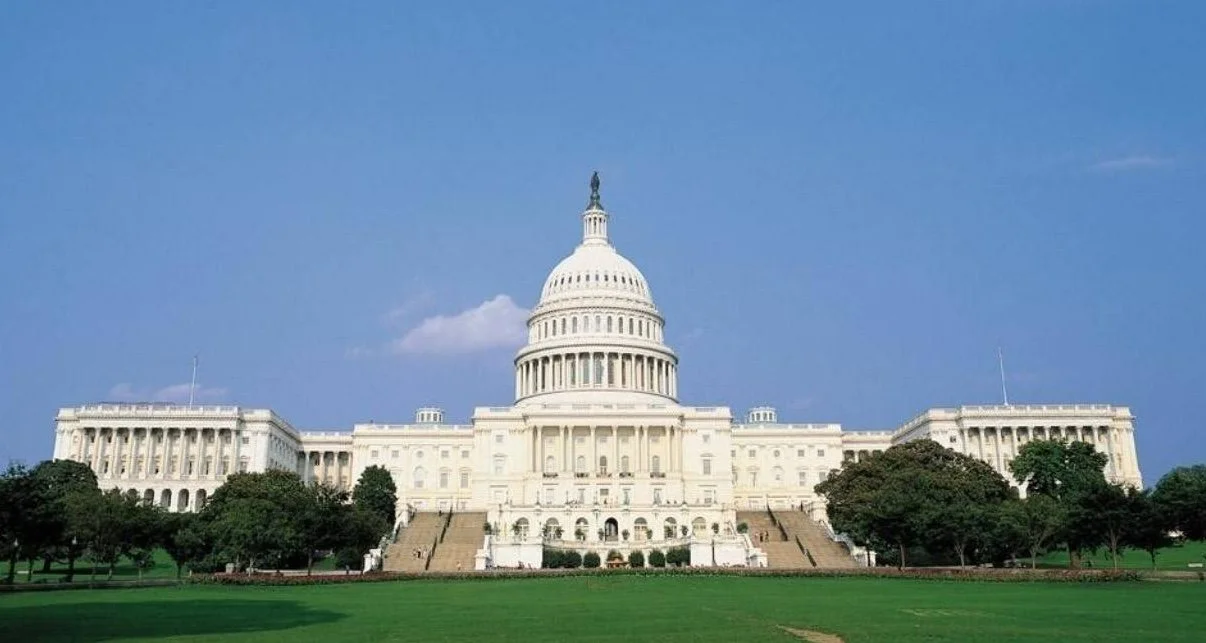
The U.S. Senate Foreign Relations Committee has moved forward with S.4009, the “Falun Gong and Victims of Forced Organ Harvesting Protection Act”, introduced by Senators Ted Cruz (R-TX) and Jeff Merkley (D-OR). The bill has been placed on the committee’s business meeting agenda with an amendment in the nature of a substitute. This means the bill has entered the formal committee review and amendment process, bringing it one step closer to possible consideration by the full Senate.
What the Bill Would Do
The bill aims to impose sanctions on forced organ harvesting in the People’s Republic of China and require reporting. Key provisions include:
Requiring the President to submit a list of foreign persons who knowingly engaged in or facilitated forced organ harvesting in China within 180 days, with regular updates.
Imposing sanctions such as blocking property and interests in the U.S. and rendering listed individuals inadmissible to the United States (visa bans and revocations).
Directing the Secretary of State to submit a comprehensive report on China’s organ transplant policies and practices, including transplant volumes, donor sources, wait times, involvement of Falun Gong practitioners and other prisoners of conscience, and a determination on whether it constitutes an “atrocity.”
Includes exceptions for national security and humanitarian aid; sanctions authority lasts 5 years.
Background of the Bill
The bill was introduced on March 5, 2026, by Senators Cruz and Merkley as a bipartisan initiative. It stems from longstanding allegations of systematic forced organ harvesting by the CCP, particularly targeting Falun Gong practitioners and other prisoners of conscience following the 1999 crackdown. Reports indicate mass arrests, torture, and detention in labor camps, with some victims subjected to organ removal for transplants, potentially trafficked overseas. The legislation seeks accountability through sanctions and enhanced transparency.
The bill also cites the U.S. State Department’s 2023 International Religious Freedom Report, which said civil society groups continued to express concern over reports that Chinese authorities forced members of religious organizations, especially Falun Gong practitioners and ethnic Uyghurs, to serve as organ donors.
Cruz said the CCP operates a brutal, state-sponsored organ harvesting industry targeting people for their faith. Merkley said China’s repression and human rights abuses continue to have horrific consequences, including reports of forced organ harvesting from vulnerable groups.
Possible Impact
If S.4009 becomes law, it could have several major effects.
First, it would move U.S. policy on forced organ harvesting in China from condemnation and reporting toward concrete sanctions. Individuals and entities found to be involved in or facilitating forced organ harvesting could face asset freezes, transaction bans, visa bans, and entry bans.
Second, it would force the U.S. executive branch to make a more formal and systematic assessment of China’s transplant system. The requirement to determine whether the Chinese government has engaged in systematic forced organ harvesting could create a much clearer official U.S. position on the issue.
Third, the bill could affect medical, academic, and transplant-related cooperation between the United States and China. By requiring a list of U.S.-funded transplant research projects involving China over the past decade, the legislation could increase scrutiny of universities, hospitals, research institutions, and medical journals.
Fourth, the bill could create an international example. If the United States passes a sanctions law specifically targeting forced organ harvesting in China, other democratic countries may consider similar measures, including limits on transplant tourism, tighter review of medical cooperation, and accountability for those involved.
For now, S.4009 is not yet law. It still needs to pass the full Senate, pass the House in identical form, and be signed by the president. But the Senate Foreign Relations Committee’s action shows that congressional concern over alleged forced organ harvesting by the Chinese Communist Party is becoming more formalized and legally focused.
6/17/2026