Reports reveal a sweeping drive to replace foreign technology across China's critical industries, reducing reliance on Western suppliers amid rising tensions.
All tagged US-China Relations
Reports reveal a sweeping drive to replace foreign technology across China's critical industries, reducing reliance on Western suppliers amid rising tensions.
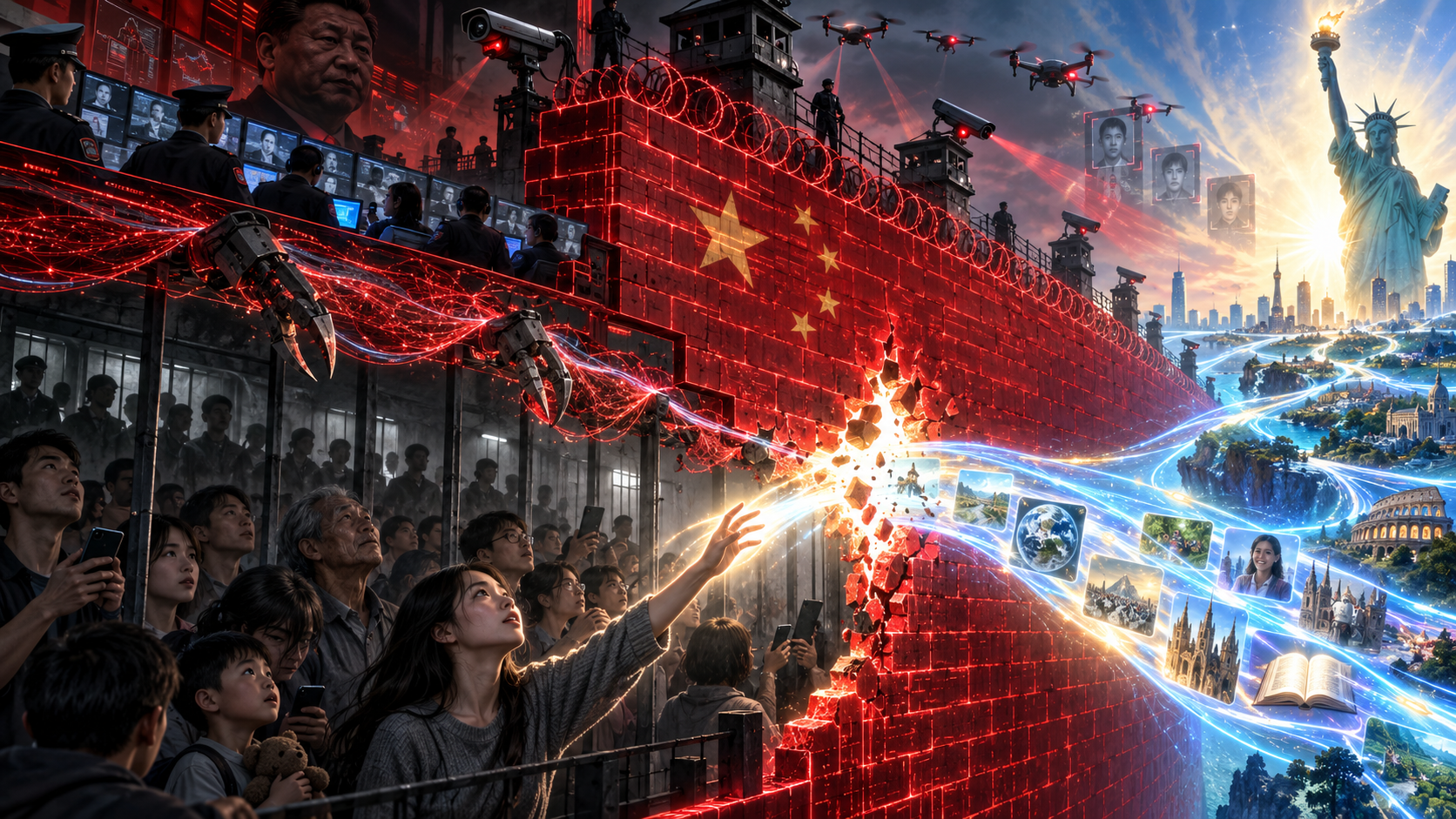
At the same time, it is a warning to the free world—especially the United States: helping the Chinese people tear down the Firewall is the most effective and cheapest way to push back against the CCP.
The U.S. Senate Foreign Relations Committee has moved forward with S.4009, the “Falun Gong and Victims of Forced Organ Harvesting Protection Act”, introduced by Senators Ted Cruz (R-TX) and Jeff Merkley (D-OR). The bill has been placed on the committee’s business meeting agenda with an amendment in the nature of a substitute. This means the bill has entered the formal committee review and amendment process, bringing it one step closer to possible consideration by the full Senate.
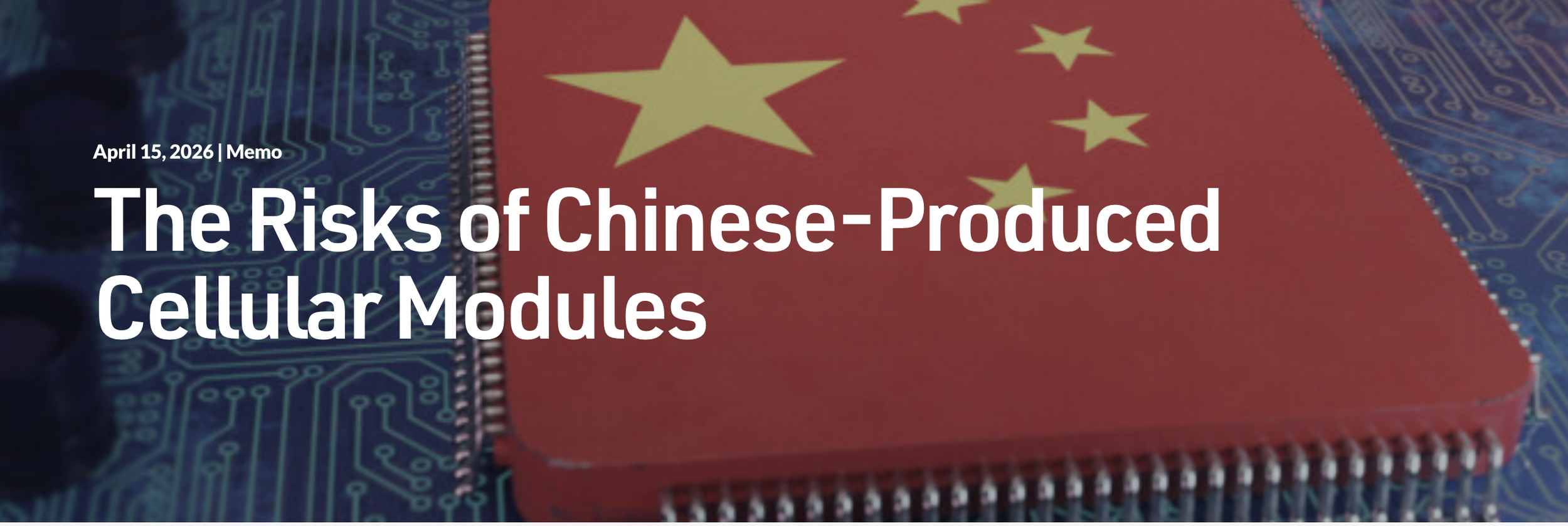
A hard-hitting new report released Wednesday by the Foundation for Defense of Democracies (FDD), a non-partisan research institute focused on U.S. national security and foreign policy, warns that Chinese-made cellular modules embedded in everyday smart devices and critical infrastructure could allow the Chinese Communist Party (CCP) to spy on Americans, collect vast amounts of data, and even remotely disable military mobilization or key U.S. systems during a crisis—particularly over Taiwan.
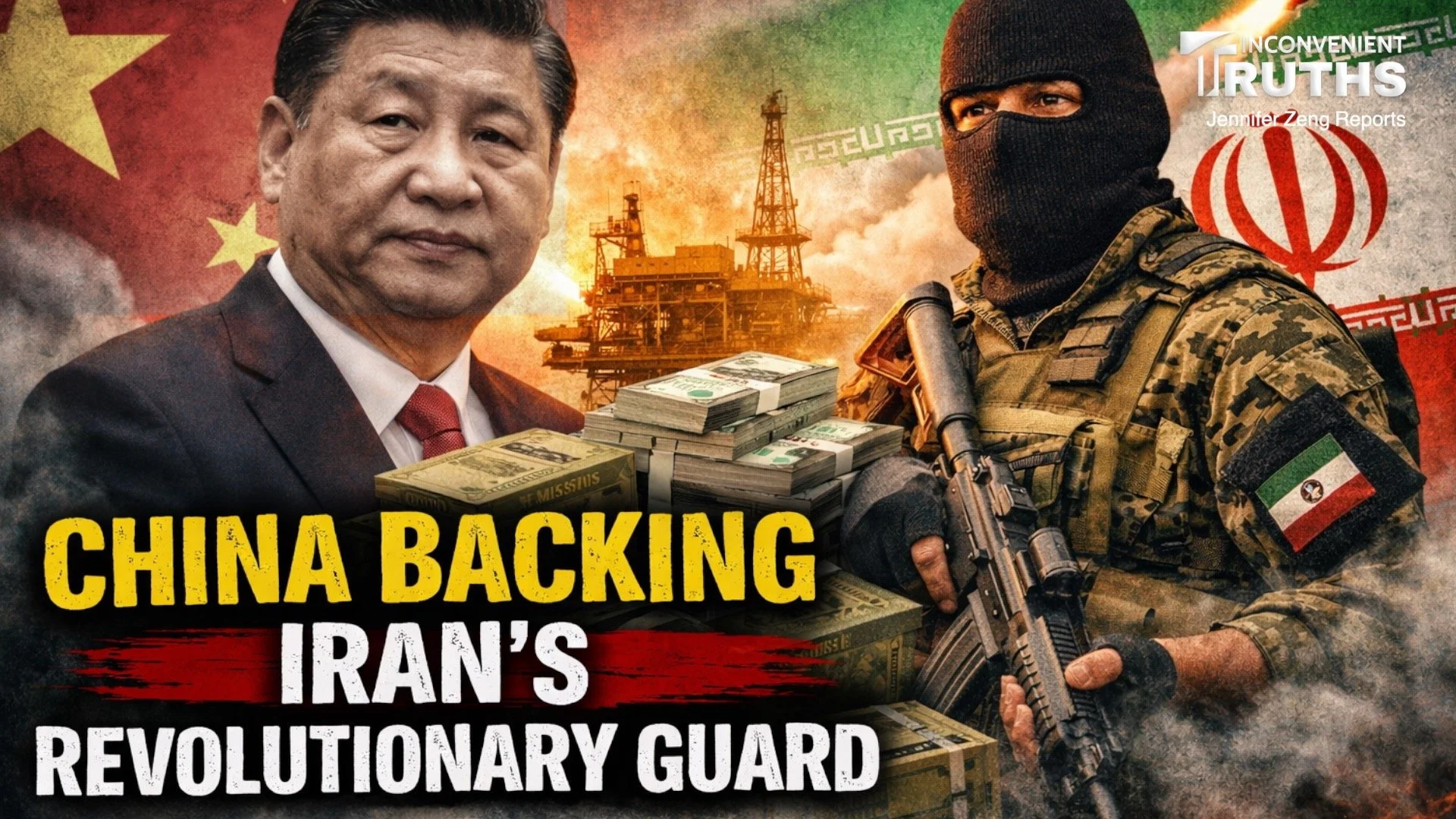
The Iranian Revolutionary Guard Corps (IRGC) maintains its uncompromising attitude in the face of heavy US-Israeli strikes because it is receiving direct support from the Chinese Communist Party (CCP) — bypassing Iran’s own civilian administration entirely.
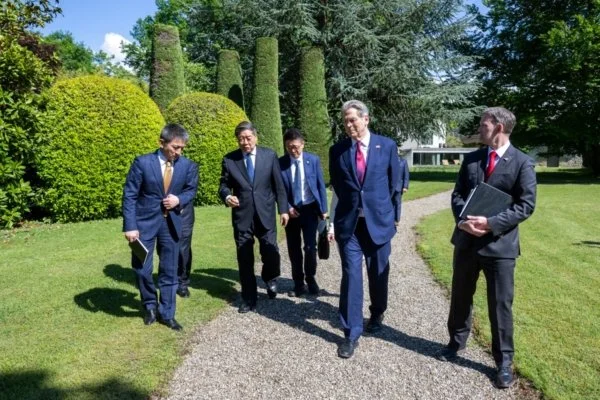
Senior U.S. and Chinese officials held more than six hours of intensive discussions at the OECD headquarters on Sunday, March 15, 2026, aiming to resolve outstanding issues in the fragile trade truce and prepare concrete deliverables for a possible late-March summit between President Donald Trump and Chinese Communist Party leader Xi Jinping in Beijing. The talks, led by U.S. Treasury Secretary Scott Bessent and Chinese Vice Premier He Lifeng, continued into Monday.
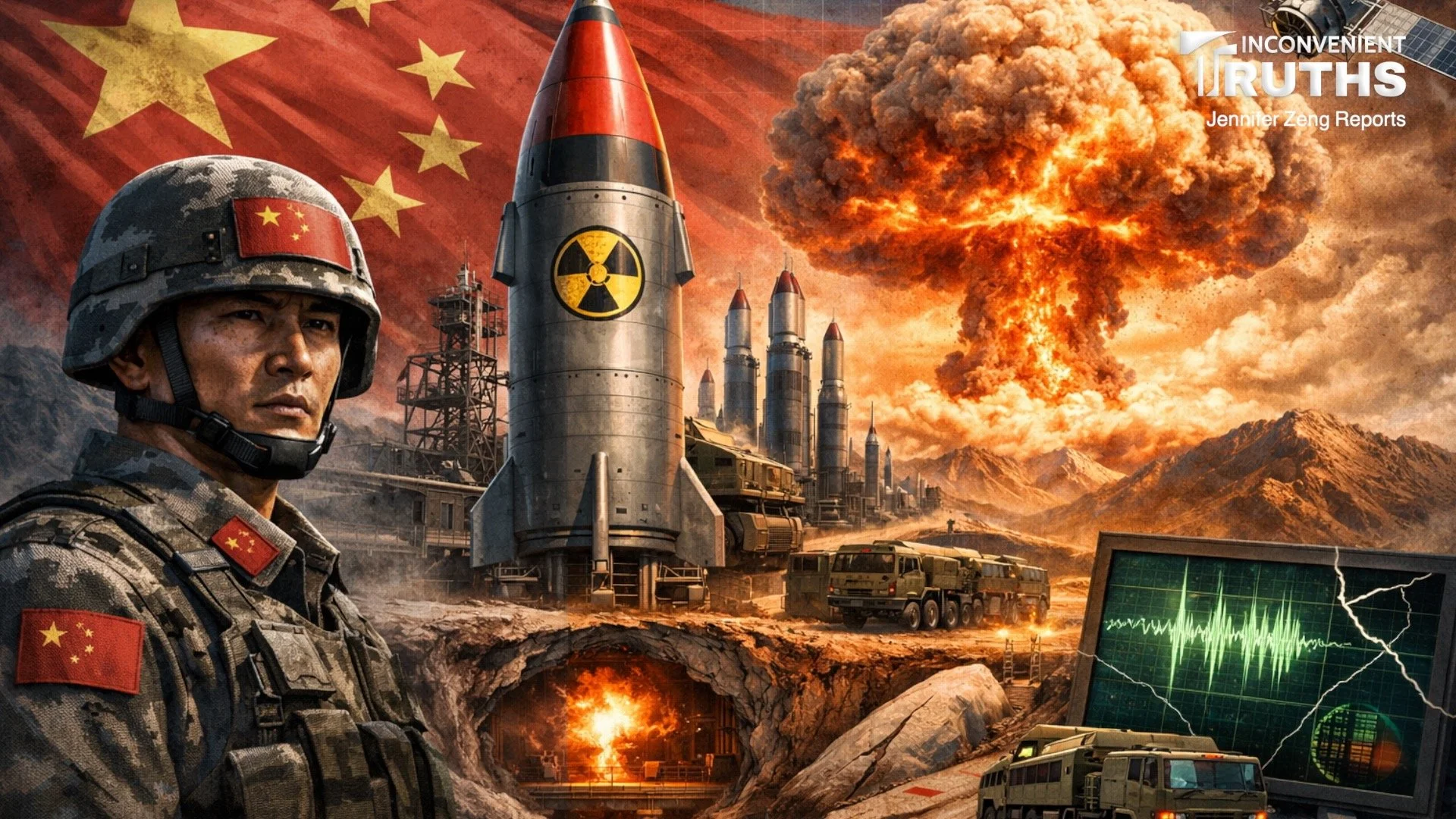
In a stark warning issued on March 12, 2026, the Heritage Foundation's Allison Center for National Security highlighted alarming evidence suggesting that China is secretly conducting nuclear tests, potentially gearing up for nuclear warfare.
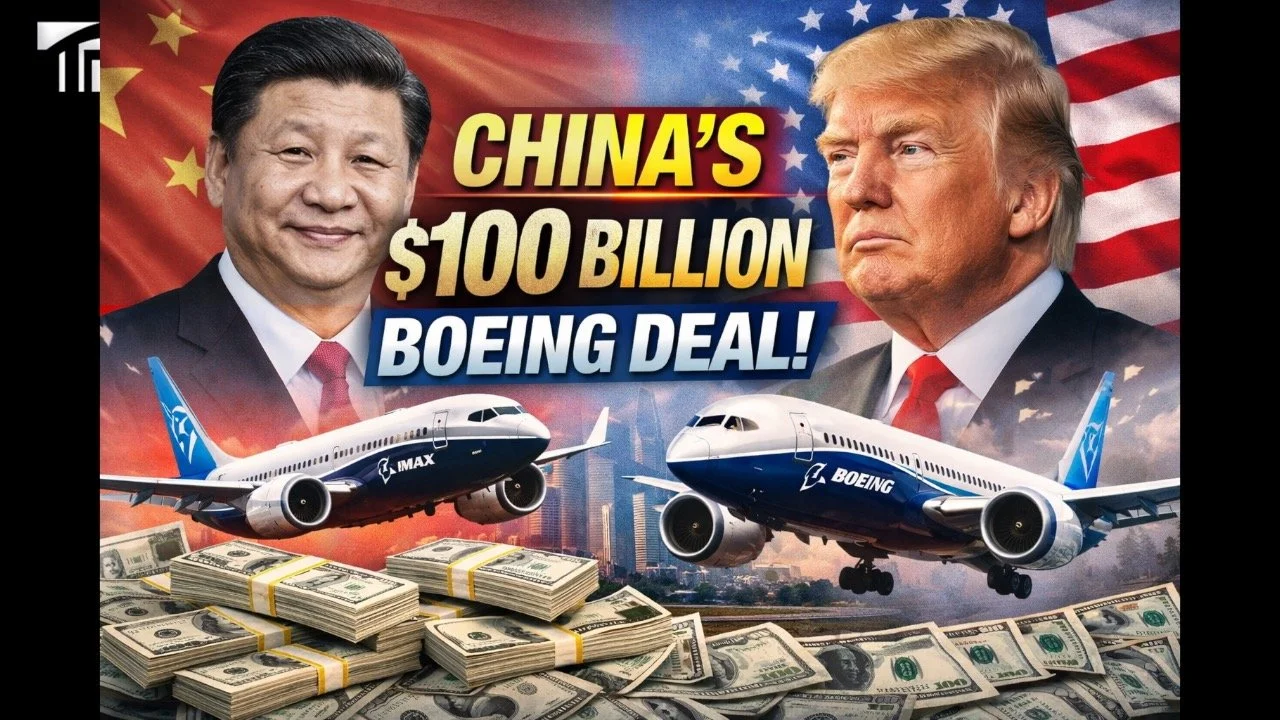
Chinese Sources Claim Xi Jinping Preparing Massive $100 Billion Boeing Order as 'Face-Saving' Gesture for Trump Visit
Therefore, when President Trump says he wants America First, it cannot be simply understood as always putting American people and American affairs first. There is another layer of meaning: prioritizing the cleanup of forces devouring America, and prioritizing the strengthening of America’s election system.
Viewed in this context, the CCP’s intentions become clearer. The relentless promotion of the “American kill line” narrative appears to serve two primary purposes.
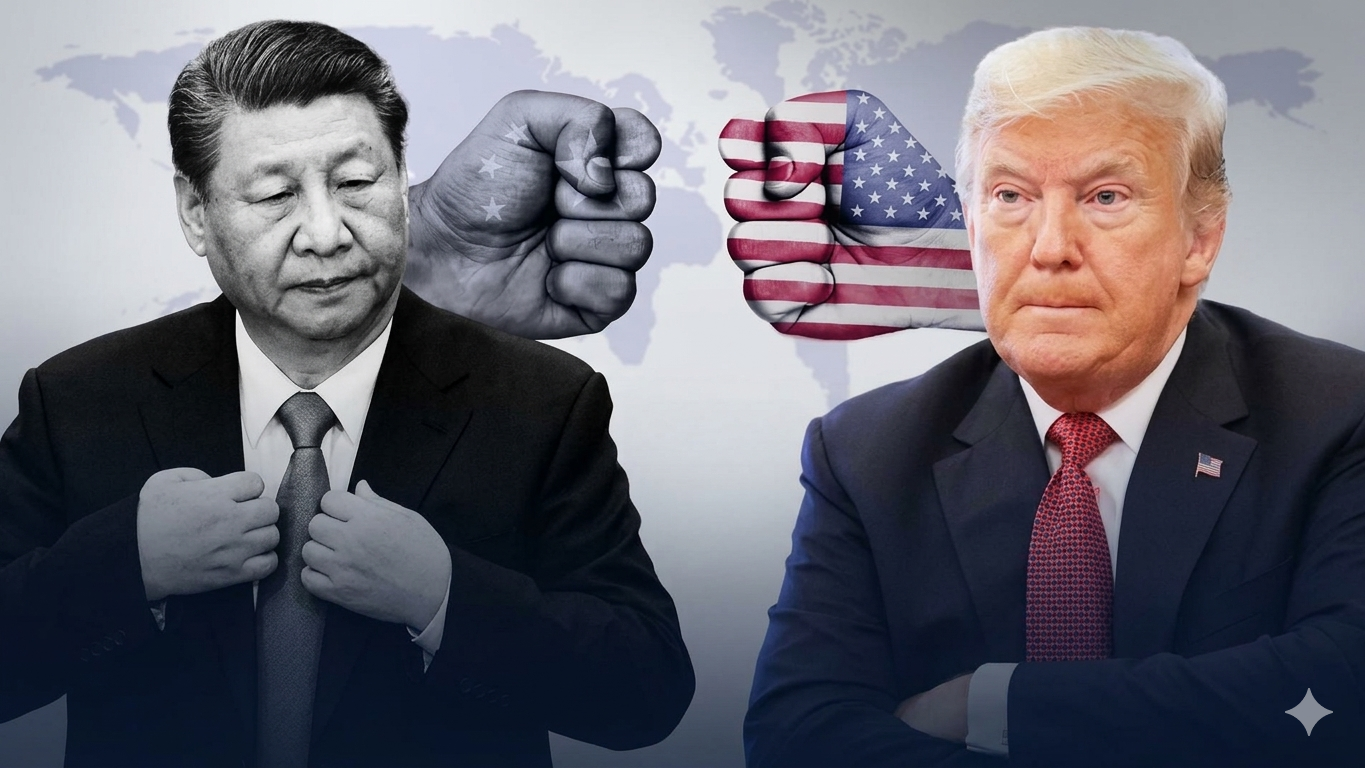
The United States-China trade war, destined to reshape the dynamics between the two nations and the global order, has erupted prematurely due to mutual miscalculations. This conflict, potentially escalating into an all-out confrontation, could lead to dire economic consequences.
Facing the ever-increasing pressure of the tariff war, Xi and the Chinese Communist Party (CCP) seems to have only one solution: shift the blame to the United States. At the same time, it demands that officials and citizens sacrifice themselves and actively prepare for war.
What are the prospects of this war? Will China face a situation like North Korea, where large numbers of people starve to death?
"This morning, it felt like the sky had fallen!" This is how many Chinese small and medium-sized business owners lamented after US President Donald Trump announced the "Liberation Day" tariffs. What do Trump's latest tariff policies truly mean for China's economy and the Chinese Communist regime?
Though the CCP has prepared for the worst, a war in the Taiwan Strait as a desperate last stand, how will it respond to Trump's efforts in Europe, Russia, Iran?
So, what will be the CCP's bottom-line strategy for dealing with Trump 2.0? And what will be the possible changes in United States-China relations over the next four years?
A clash between the United States and China appears increasingly inevitable. The Chinese Communist Party (CCP) is allegedly preparing for a swift and decisive military move to claim Taiwan. This daring strategy, if realized, would hinge on betting the fate of the CCP against the US.
The CCP's infiltration of the U.S. and the world has become so rampant that we must take it very seriously. For the targets it wishes to suppress, it can mobilize its global united front system, spy system, and propaganda system to operate worldwide. In a way, this has become a war and invasion without gunpowder against other countries.
I cite these two examples to illustrate that the elimination of Falun Gong is still the goal of the CCP, and in order to eliminate Falun Gong in the U.S., they need to take advantage of the various loopholes in the U.S. society and the agents that they have bribed in the U.S. to do so.
But sometimes I wonder: from another perspective, doesn't this show that the U.S. is too passive in dealing with the CCP? Facing their endless variety of disruptions, shouldn't the free world take proactive measures to dismantle the CCP?