Latest Updates
Featured

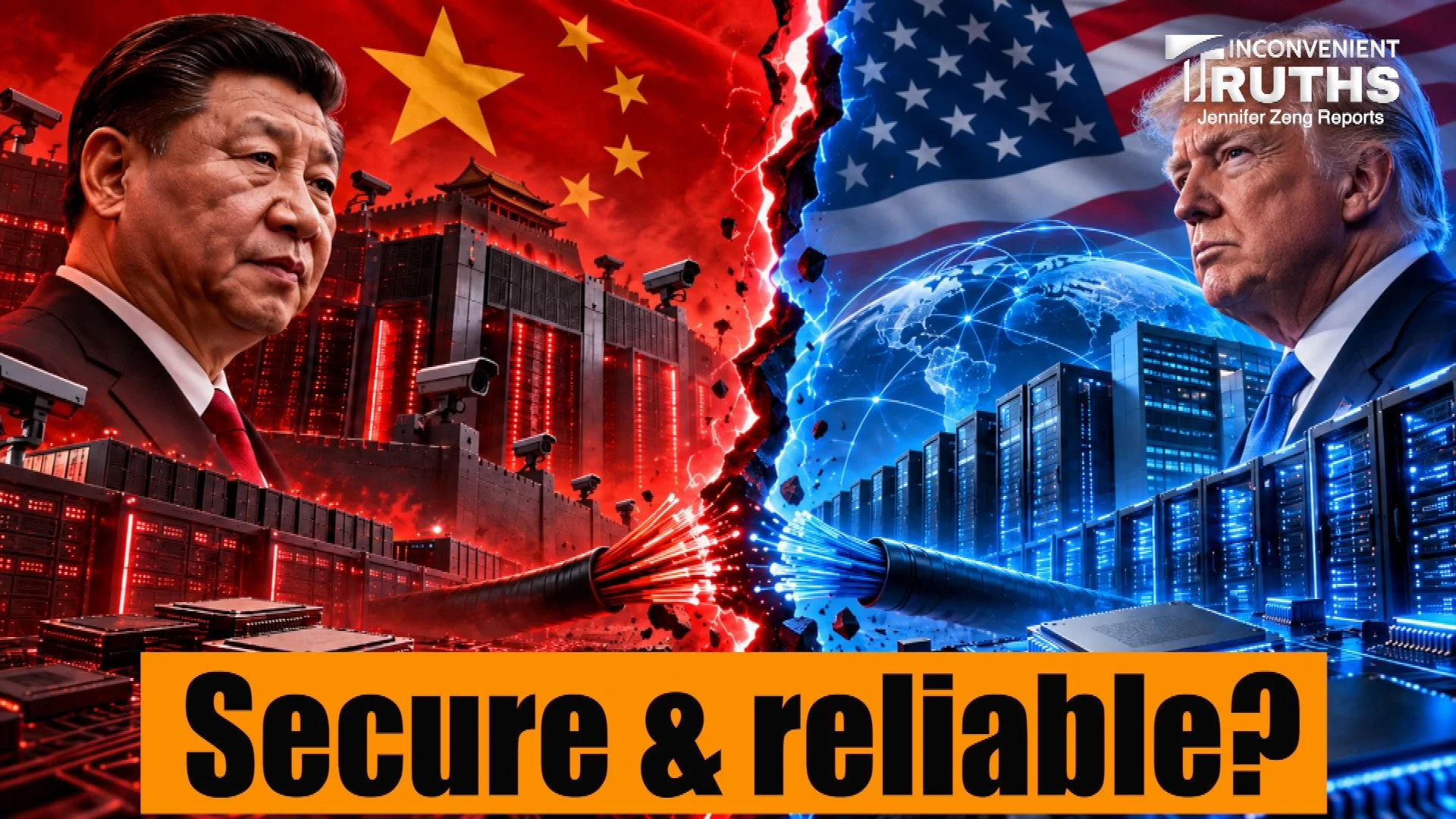

An alarming new U.S. study reveals unusual Chinese research vessel activity near critical undersea cables. Combined with China's development of deep-sea cutting technology and previous cable damage incidents, the findings raise an urgent question: Is Beijing preparing to disrupt global communications in a future conflict?
In addition, deep within the CCP’s strategic thinking, the ultimate judgment that “there will eventually be a war with the United States” has always existed.
And the CCP has been actively making real-world preparations for that possibility.
CCP leader Xi Jinping has ordered officials to build a “safer” China, issuing his first major domestic directive after returning from a state visit to the United States.
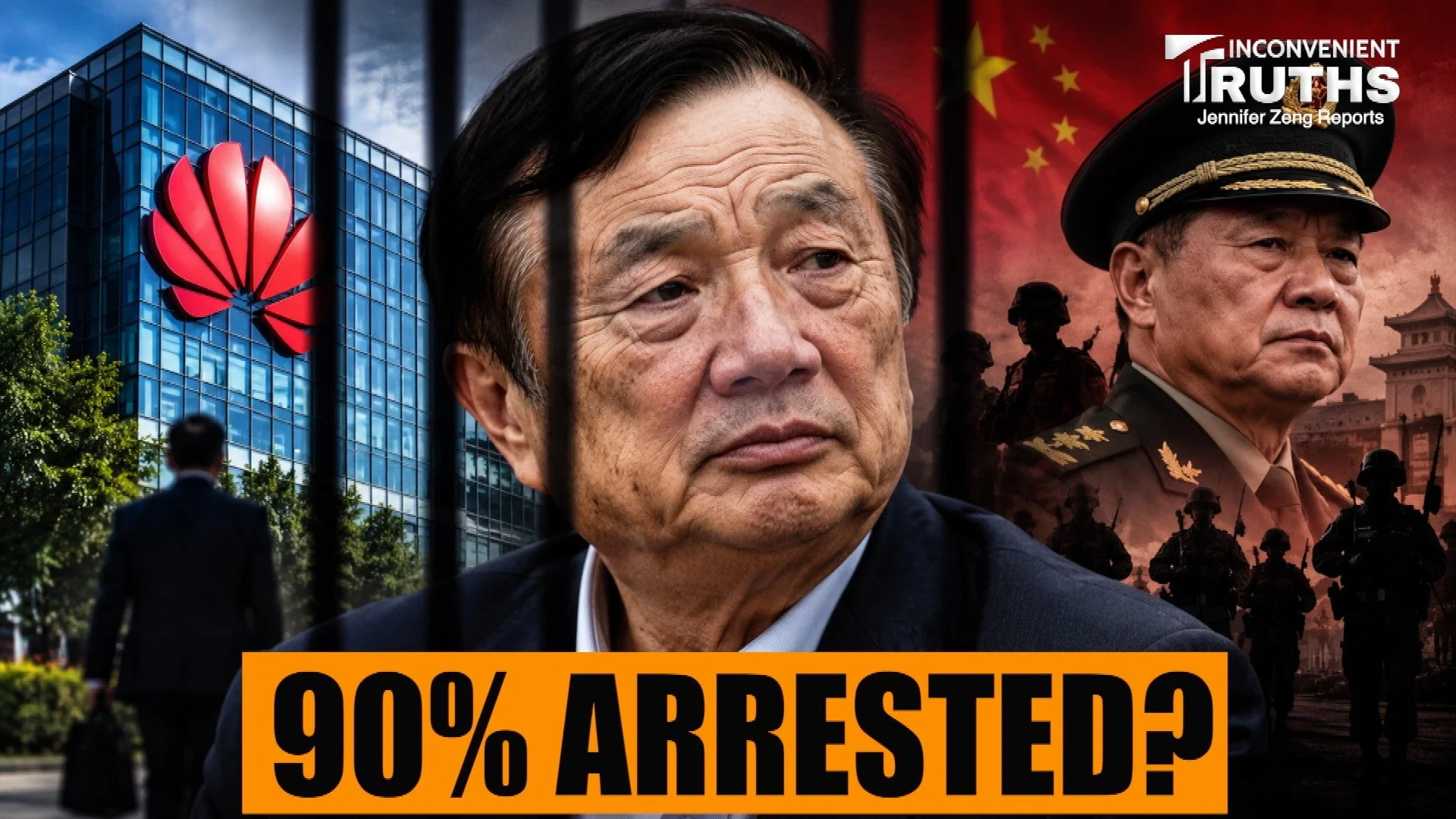
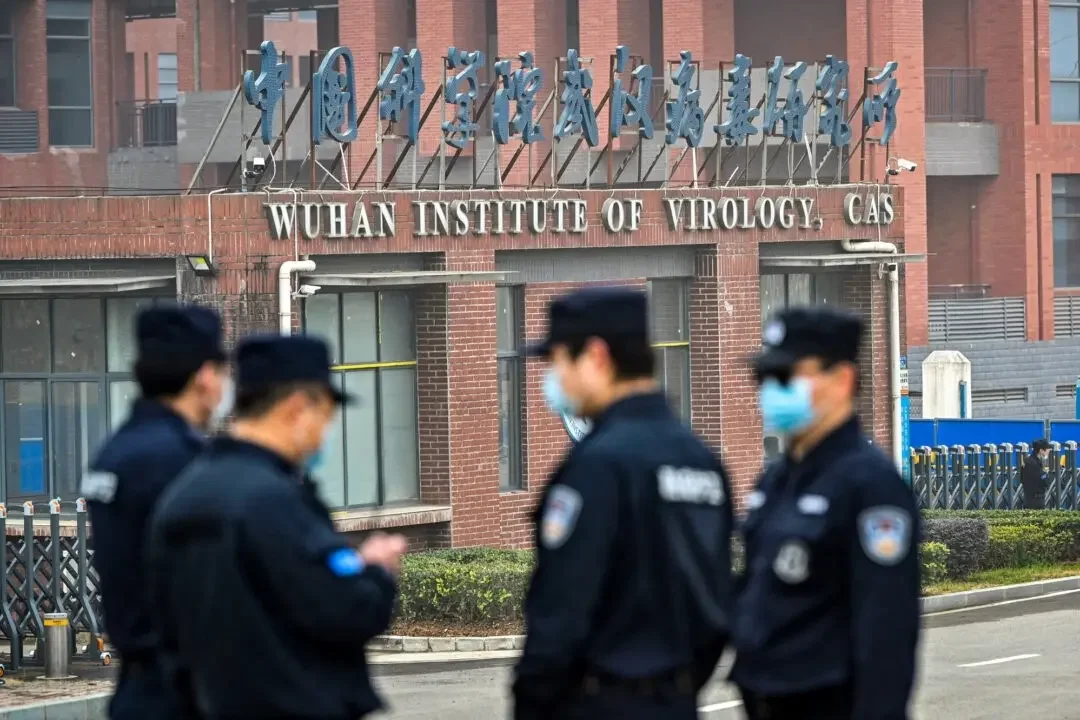
Exclusive information: Huawei founder Ren Zhengfei, who is now rumored to be missing or to have fled China, and several senior Huawei executives were questioned many times by the CCP’s military disciplinary authorities over military procurement issues.
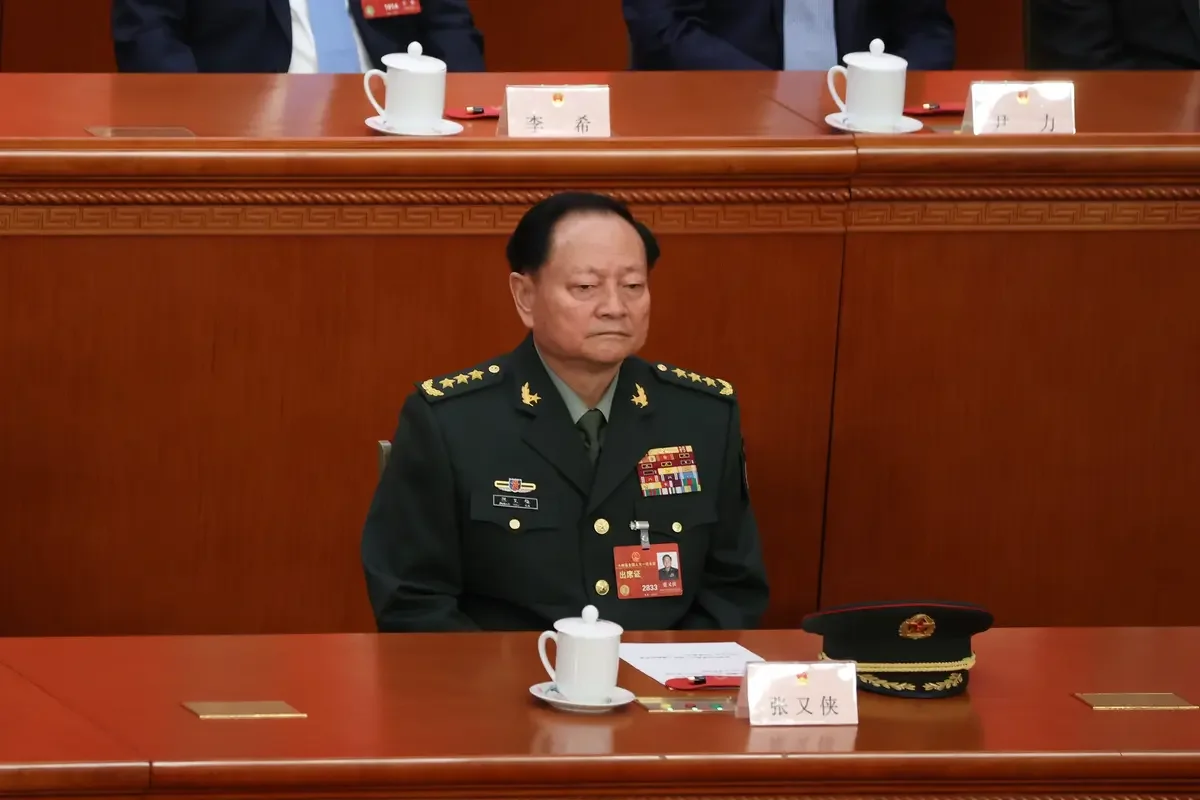
China’s Communist Party has expelled senior military figures Zhang Youxia and Liu Zhenli from the Party and the armed forces, accusing them of serious disciplinary and legal violations, including forming “cliques and factions.”
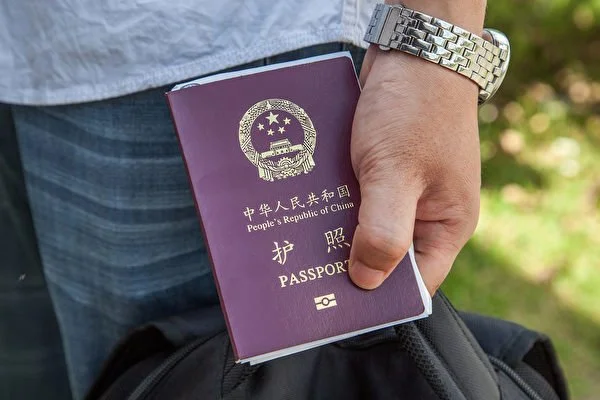
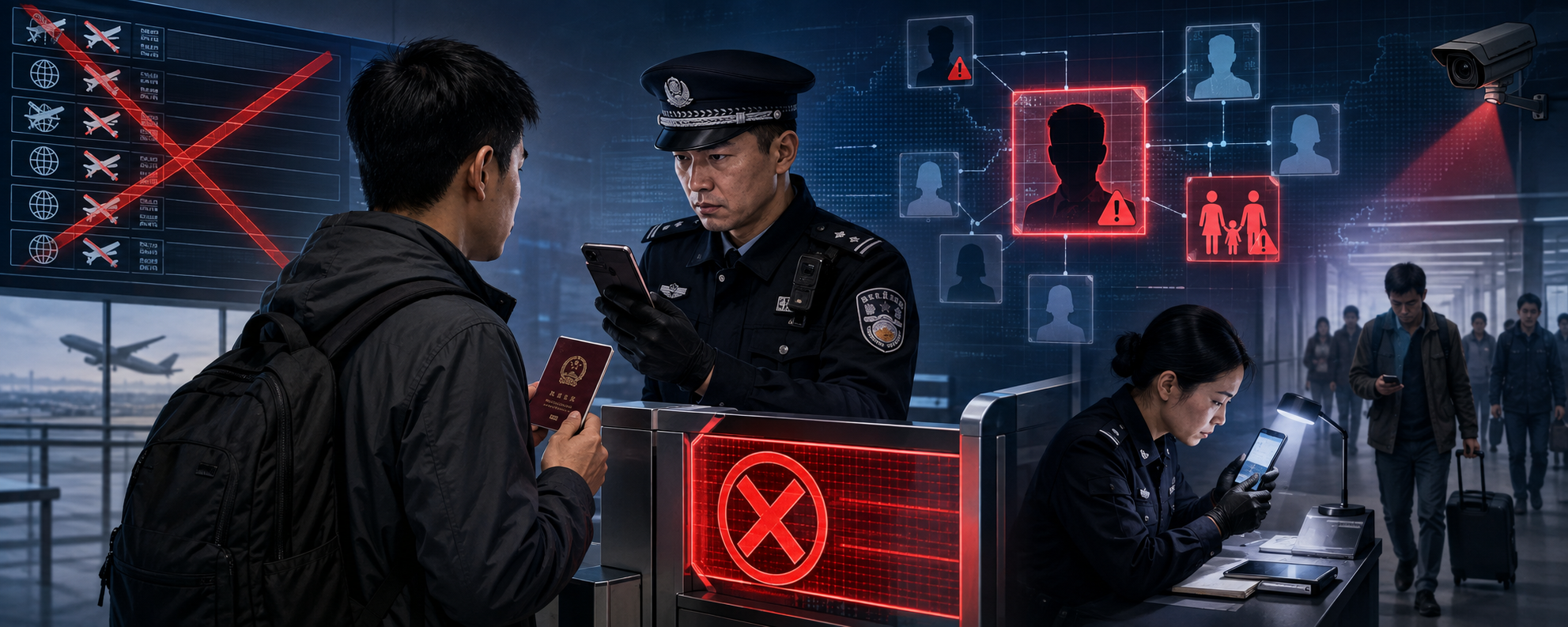
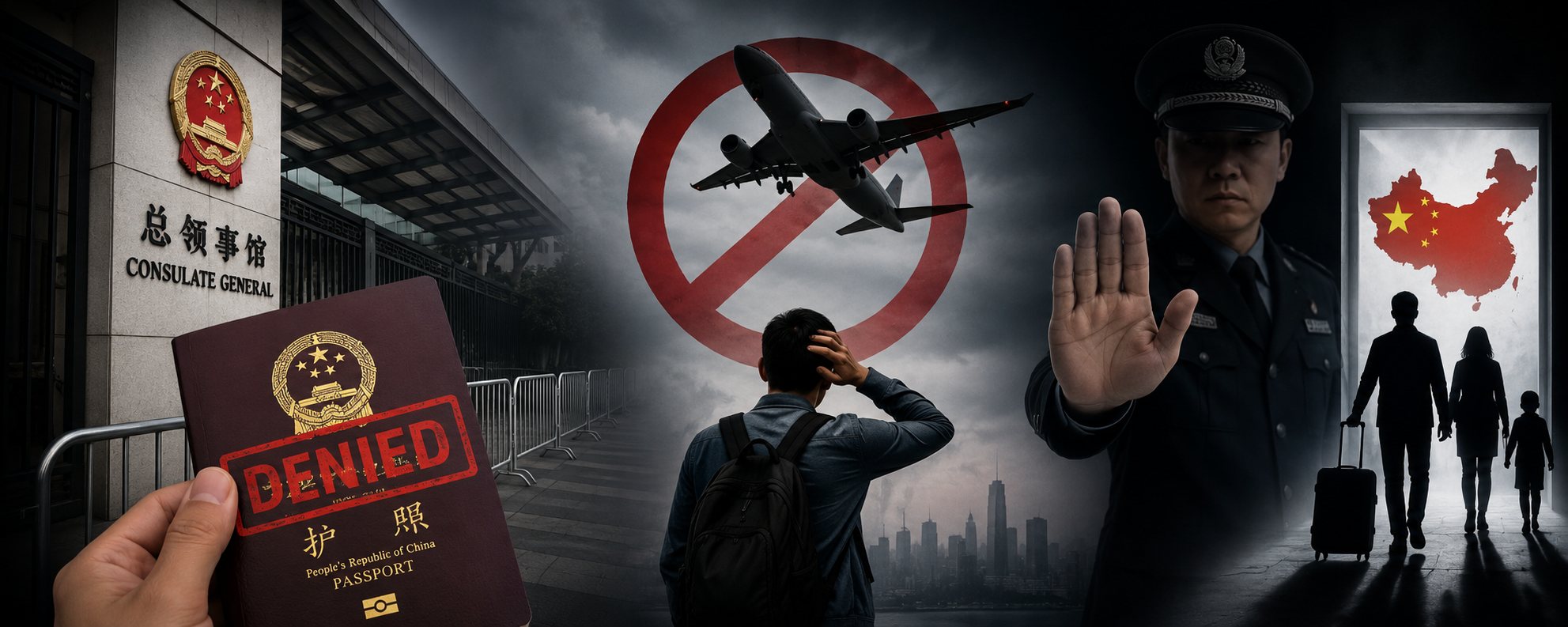
A day before new nationwide exit-entry rules take effect, people inside China’s state system say their workplaces have already widened a quieter campaign: employees at government offices, state banks, state-owned firms, public hospitals and schools are being told to declare not only their own passports, but those of their families — including foreign passports and overseas residence papers.
Missouri’s $24.5 billion default judgment against Chinese defendants over early COVID-19 personal-protective-equipment hoarding has moved from paper into the enforcement stage. Institutions that for years refused to appear in U.S. court have now hired American counsel to try to vacate the award and, at home, have filed a countersuit.
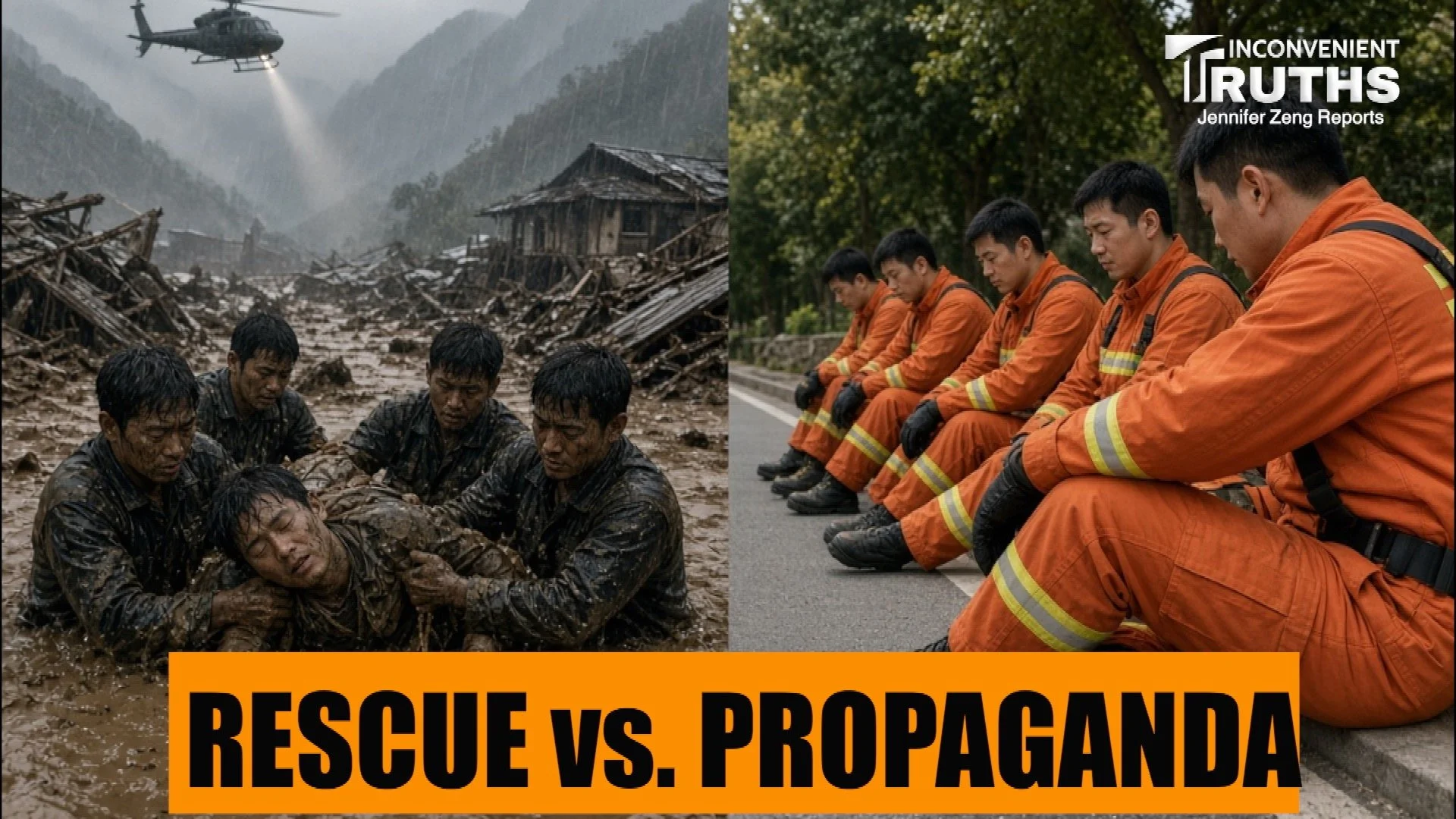
At the same time, this disaster has raised an even more frightening question: Could a similar disaster happen again in the future, especially in the Yarlung Tsangpo region?
As Chinese Communist Party authorities prepare to implement revised Exit-Entry Administration Regulations on September 15, reports have emerged from ports of entry across China of travelers being stopped from leaving the country. Some Chinese citizens reportedly discovered only while applying for passports or passing through border control that they had already been placed on exit restriction blacklists.
Overseas Chinese communities report a sharp tightening of passport renewal services at Chinese diplomatic missions, with the San Francisco Consulate General refusing applications and directing applicants to return to China for processing.
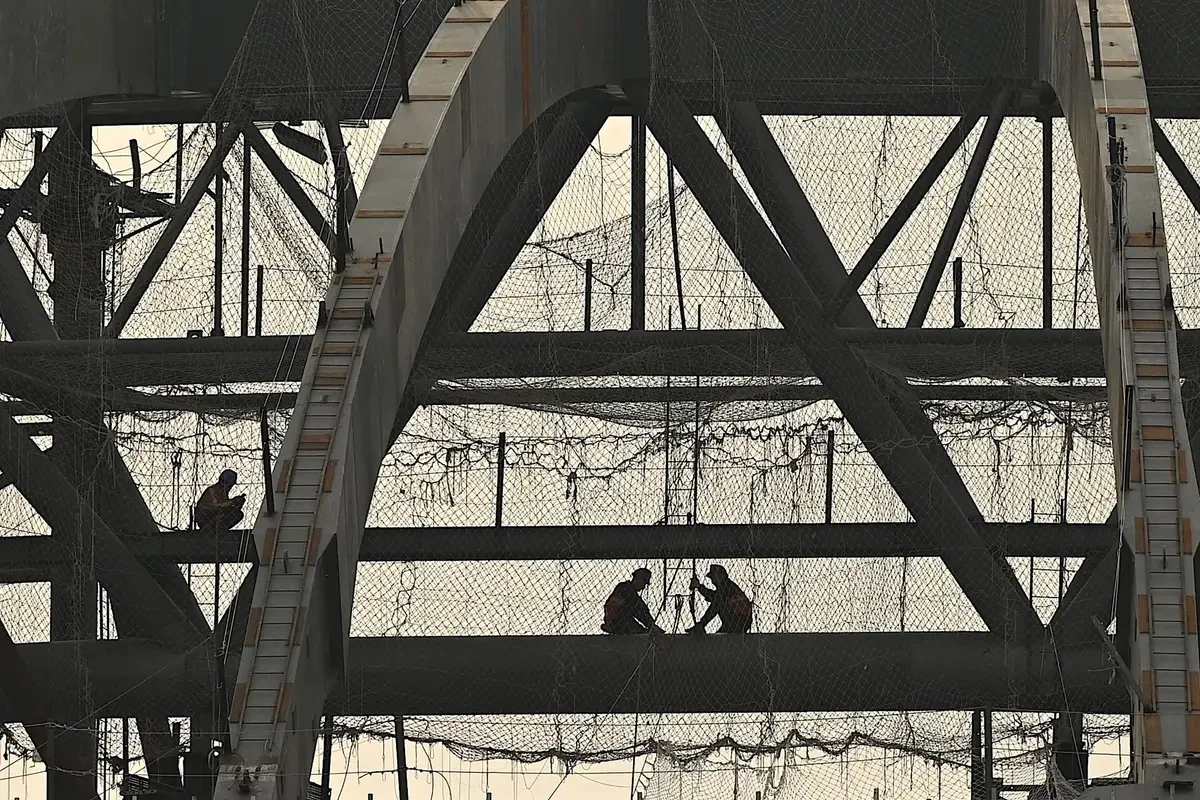
China’s prolonged real estate collapse, underway since the second half of 2021, is devastating dozens of linked industries and putting the livelihoods of tens of millions of workers at risk. Official statements have focused more on the property sector itself while downplaying the depth of distress in upstream and downstream sectors, often framing problems as “overcapacity in some industries” that require upgrading. Data and on-the-ground reports show a far broader crisis.
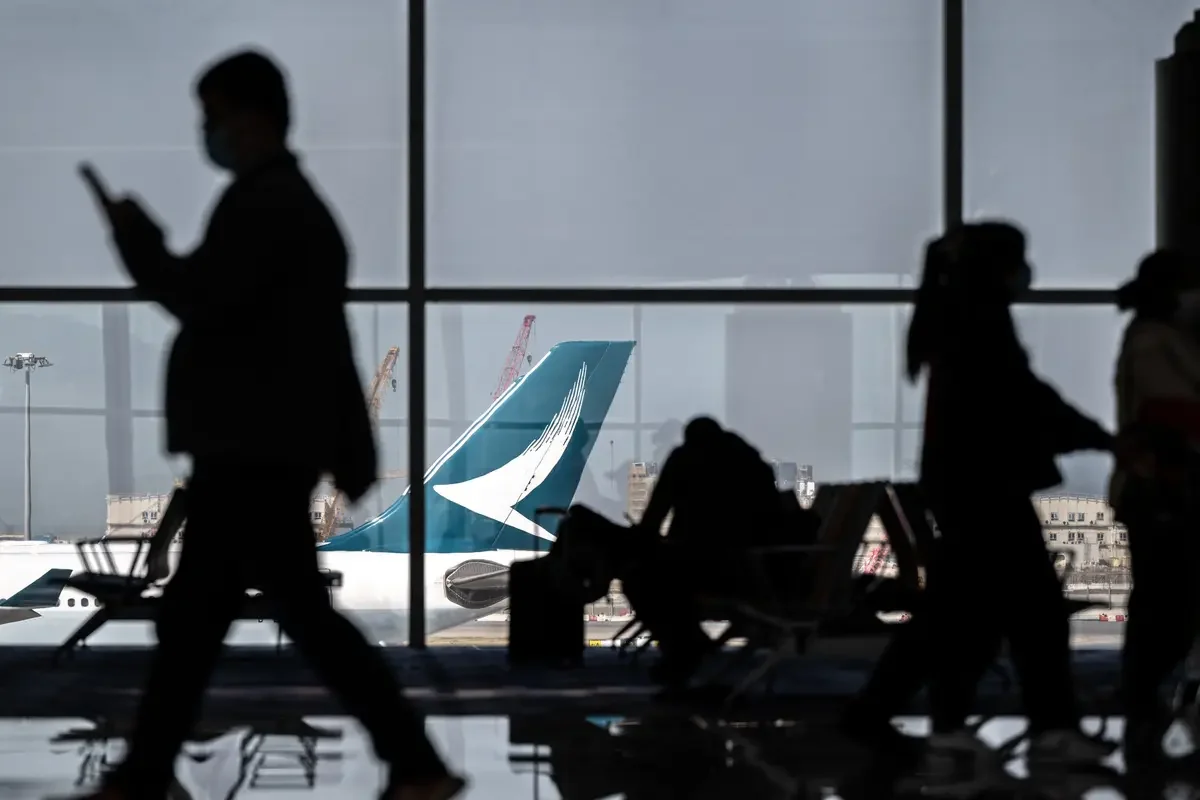
New exit-entry regulations announced by China’s State Council have not yet taken effect, but travelers are already reporting additional screening at Hong Kong International Airport for some passengers arriving from mainland China and transferring to flights bound for the United States.
Beijing has launched a sweeping global tax campaign targeting China’s ultra-wealthy, seeking to recover hundreds of billions of dollars in unpaid taxes stretching back decades. The drive aims to plug a deepening fiscal shortfall driven by the collapse of land-sale revenues.
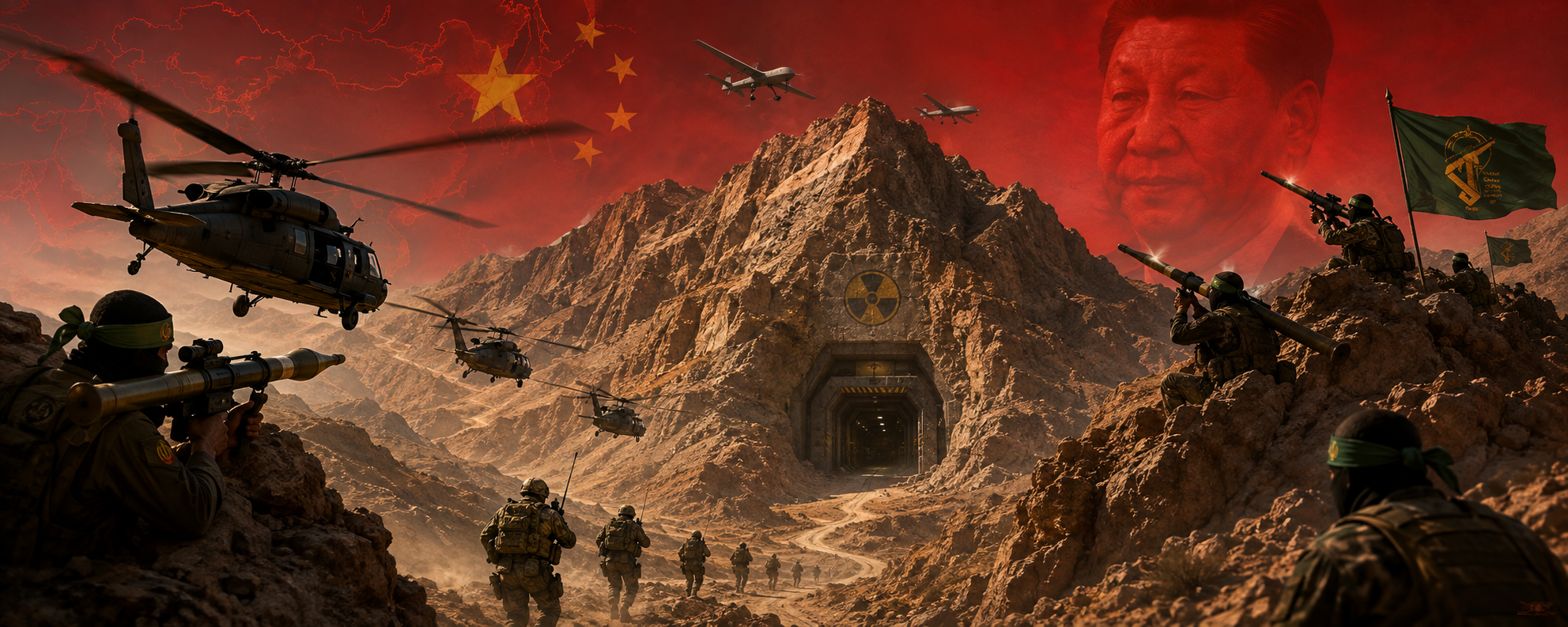
Former Peking University professor Yuan Hongbing has disclosed what he describes as a major military conspiracy by the Chinese Communist Party (CCP) aimed at drawing the United States into a costly ground war in Iran.
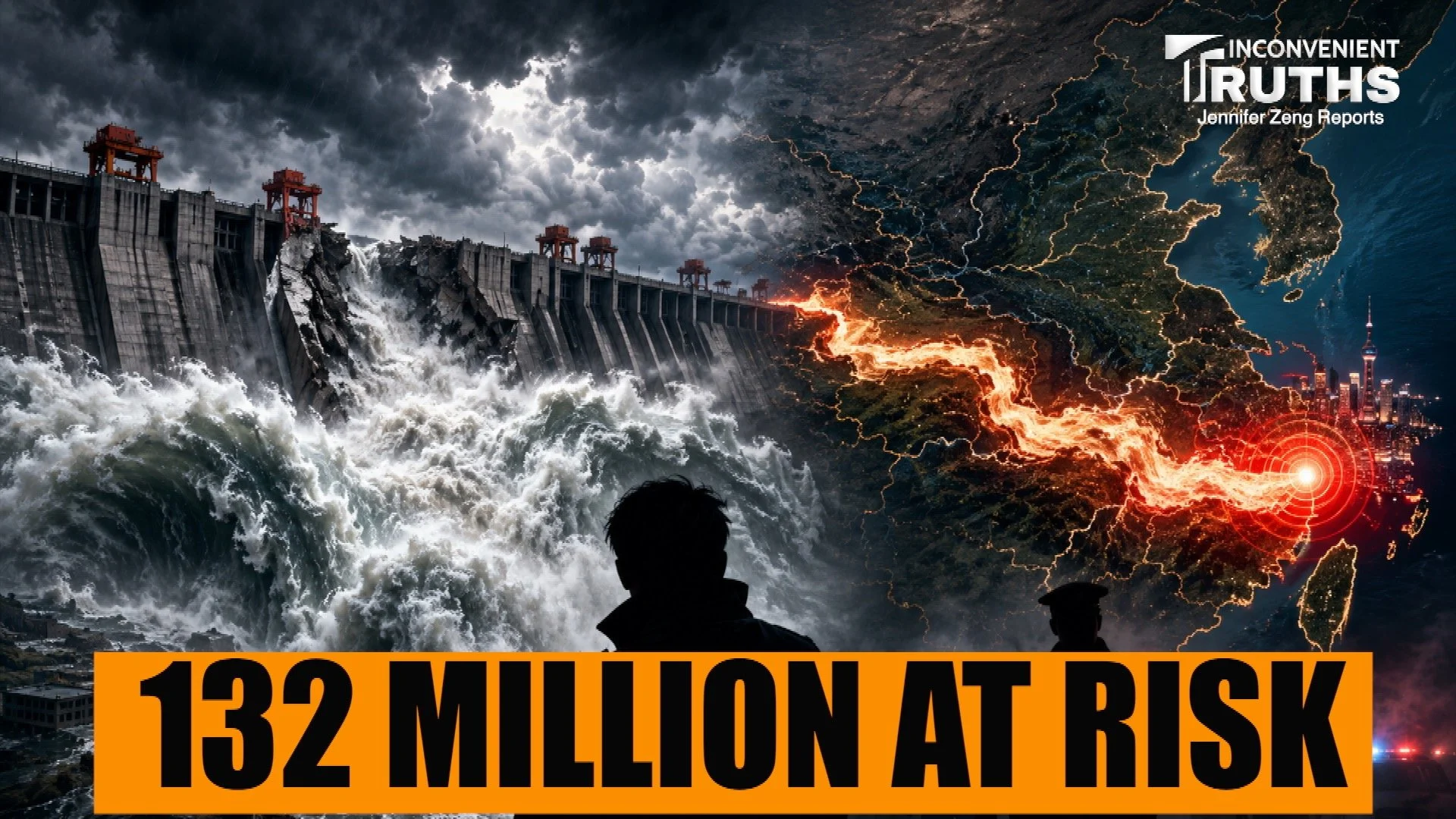
This is very shocking! China’s Three Gorges Group has long been analyzing what would happen if the Three Gorges Dam collapsed in an instant. The internal file runs hundreds of pages long. Today, an insider leaked four of those simulation maps.
in the CCP system, the head of the discipline inspection group acts as the CCDI’s eyes and ears — effectively a “monitor” or “political commissar” inside the Foreign Ministry. Li Qian’s national security background suggests the MSS is gaining influence. Authorities now appear to prioritize so-called “political security” cases involving diplomats over routine anti-corruption efforts.
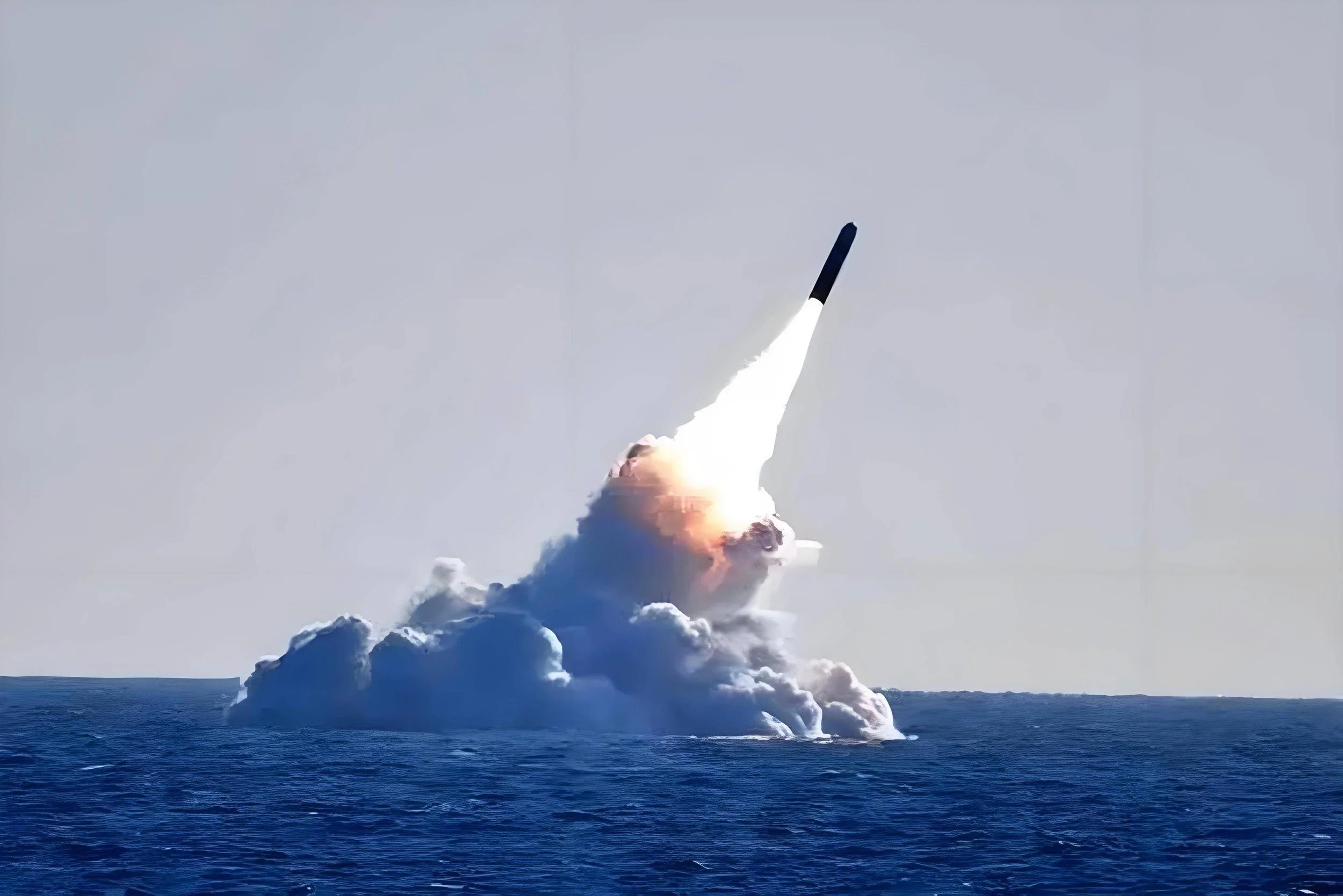
The CCP has conducted a recent submarine-launched ballistic missile test from the sea while launching the China-Russia "Maritime Joint-2026" naval exercise off Qingdao in Shandong province. Insiders say the launch was intended to demonstrate the ability to strike beyond the second island chain and project military pressure across the Western Pacific.
China’s official data shows unemployment insurance fund expenditure reaching a new record high for the January-May period, underscoring a persistent wave of job losses that authorities have struggled to conceal.
Many people are asking this question: Under such a brutal purge of the military by Xi Jinping, why don't Chinese generals and soldiers fight back?
China’s Communist Party has just made a major new move. They plan to let millions of party members flood the global internet. Free societies must prepare. How should we respond?
In Communist-ruled China, there is a saying: “Prepare public opinion first.” Mao Zedong first said that to overthrow a regime, you must first create public opinion and do ideological work. Later, it was summed up as “Lay the Groundwork in Public Opinion First”, or “Build the Propaganda Narrative First”.
