Why Democrats Swept the US Midterms — and What It Means for Trump and China
Democrats' sweeping victories in the November 3 U.S. midterm elections, which gave them control of both the House of Representatives and the Senate, represent a major setback for President Donald Trump.
Two political analysts interviewed by The Epoch Times attributed the Republican defeat largely to public dissatisfaction with the economic consequences of the war in Iran, particularly rising gasoline prices. They also pointed to the Trump administration's aggressive policy agenda and its approach to China as contributing factors.
Despite their differing assessments of Trump's foreign policy, both analysts believe the Democratic takeover of Congress could ultimately result in a tougher U.S. stance toward the Chinese Communist Party (CCP).
Why the Democratic "Blue Wave" Emerged
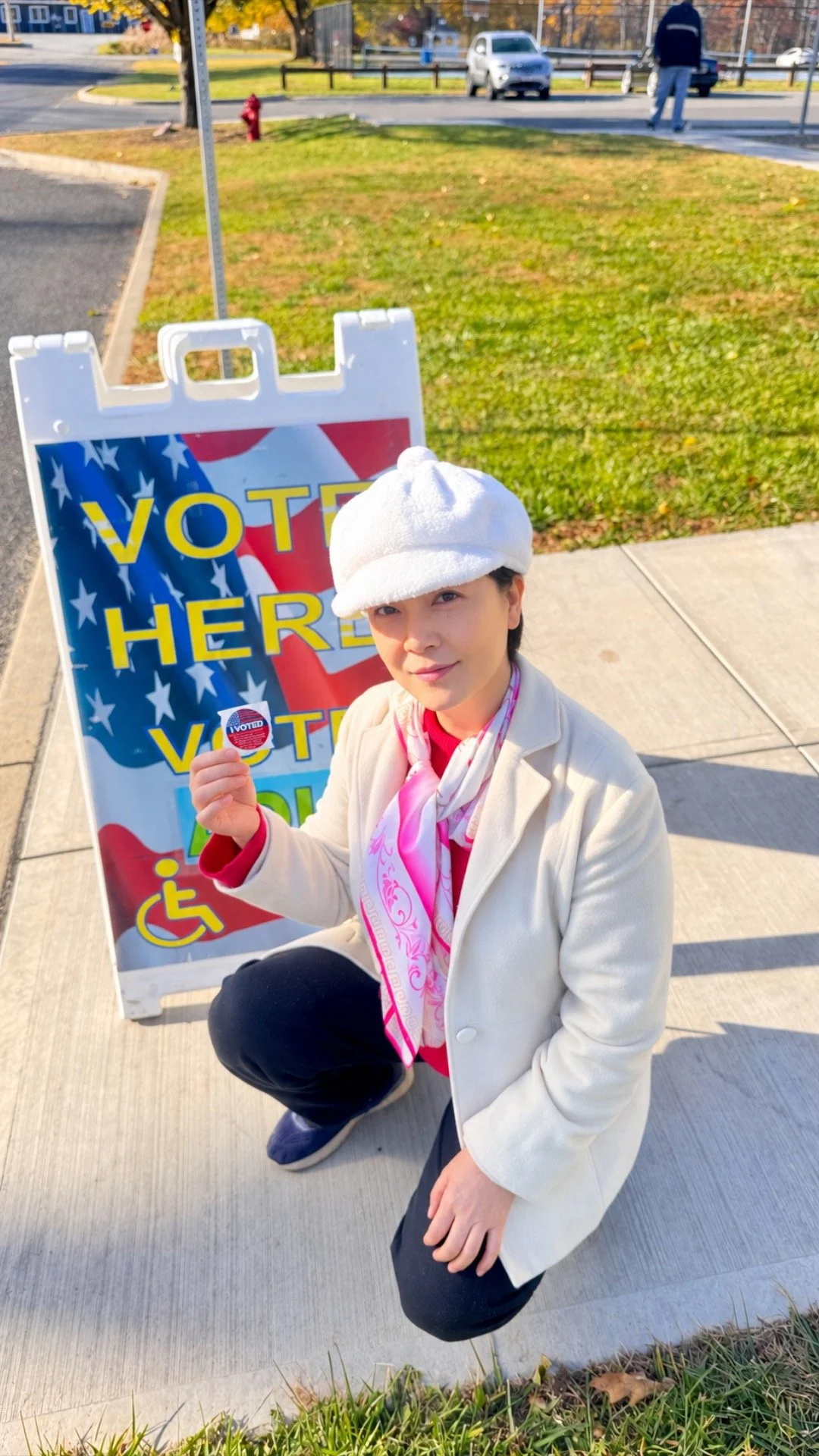
Allen Zeng, a Chinese-American political commentator, described the election results as a Democratic "blue wave," reflecting growing voter dissatisfaction with the Trump administration.
According to Zeng, the backlash was not primarily directed at Trump's tax cuts, deregulation, investment incentives, or energy policies. Rather, it was driven by the sharp rise in oil and gasoline prices resulting from the war in Iran.
Zeng argued that Trump has attempted to reverse six or seven decades of political and ideological changes in the United States within a single four-year presidential term.
In seeking to reverse what he sees as America's movement toward socialism, Trump has pursued his agenda with extraordinary speed and intensity, Zeng said. Such an aggressive approach, even when intended to achieve long-term objectives, can generate resistance among voters.
Zeng identified two major groups that helped return Trump to the White House in 2024.
The first consisted of his loyal Make America Great Again (MAGA) supporters and conservative Republicans. The second included blue-collar workers and middle-class Americans who voted for Trump because they expected his policies to improve their economic circumstances.
Unlike his core supporters, many voters in the second group are less concerned with Trump's broader ideological objectives, Zeng explained. Their primary concern is whether their everyday lives are improving.
When the Iran war pushed gasoline prices higher and increased household expenses, many of these voters withdrew their support.
Zeng said the election demonstrated the importance of economic concerns in American politics. While some voters support Trump's efforts to restore conservative values and counter socialism, many others judge an administration by its immediate impact on their financial well-being.
Yuan Hongbing: Trump Misjudged the Nature of the Iran War
Yuan Hongbing, a Chinese legal scholar and political commentator based in Australia, offered a broader geopolitical explanation for the Republican defeat.
In his interview with The Epoch Times, Yuan expressed strong support for Trump's domestic policies, arguing that they have generally served both American national interests and the broader cause of freedom and democracy.
He also credited Trump's opposition to communism and left-wing political ideology with helping counter the CCP's influence within American society.
However, Yuan argued that the administration made a fundamental strategic error in its handling of the Iran war.
In his assessment, the war's economic consequences were the principal cause of the Republicans' electoral defeat.
Yuan noted that the United States had not achieved a decisive resolution to the conflict. Iran's military continued to threaten the Strait of Hormuz, a critical passage for global oil shipments, contributing to higher international oil prices and economic pressure on the United States.
Iran also retained the ability to strike American military installations and U.S. allies in the Middle East, he said.
Yuan believes Trump's central miscalculation was treating the conflict as a confrontation primarily involving the United States, Israel, and Iran.
Instead, Yuan argued, Washington was confronting a broader geopolitical alliance centered on the Chinese Communist Party and involving Russia, North Korea, Pakistan, and Iran.
He characterized this grouping as a modern-day "axis of evil."
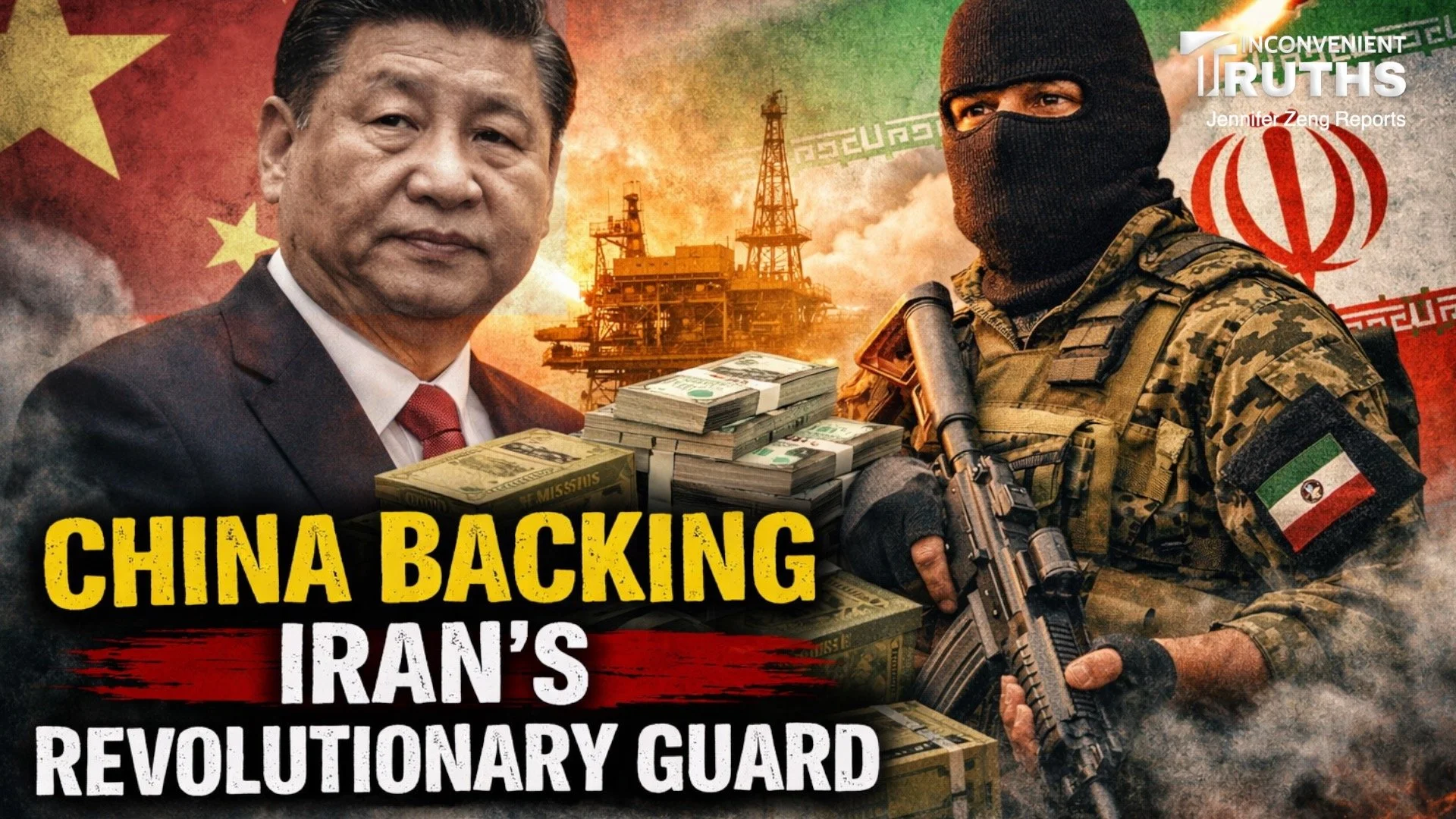
According to Yuan, Beijing has provided Iran with extensive diplomatic, economic, and military support. He believes the CCP's strategic objective is to prolong the conflict, divert American attention and resources toward the Middle East, and weaken Washington's ability to confront China's global ambitions.
From this perspective, Yuan argued, the United States entered the conflict without fully appreciating the wider strategic forces supporting Tehran.
Did Trump Make a Strategic Mistake in Dealing With Beijing?
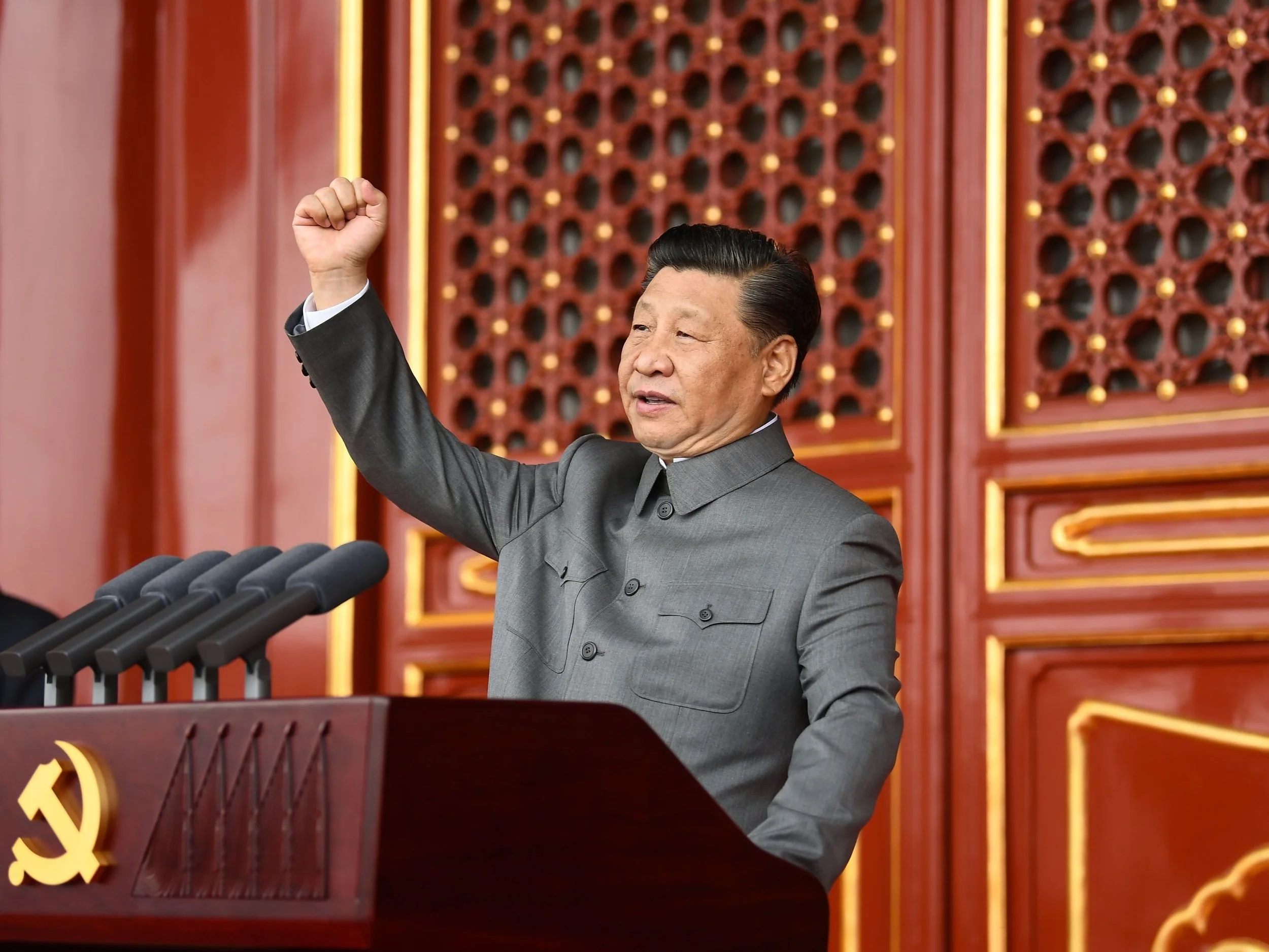
Yuan also criticized Trump's approach to Chinese leader Xi Jinping, describing it as a significant foreign policy misjudgment.
He recalled that, for more than two decades before Trump's first presidency, successive U.S. administrations had pursued policies of engagement with Beijing.
In Yuan's view, these policies, particularly those followed by Democratic administrations, gave the CCP a prolonged strategic opportunity to expand China's economic and international influence.
He credited Trump's first administration with fundamentally changing this approach and helping turn the broader Western world away from accommodation toward Beijing.
During his second term, Trump initially attempted to pressure China through tariffs, trade restrictions, and technological competition. However, after encountering difficulties, his administration moved toward a trade truce with Beijing.
Yuan argued that Trump's subsequent diplomatic approach became even more problematic after the Iran war began.
According to Yuan, Trump hoped Xi Jinping could help persuade Tehran to end the conflict on terms acceptable to Washington.
Yuan described that expectation as a major diplomatic mistake.
Rather than helping Washington resolve the conflict, Yuan believes Beijing has an interest in keeping the United States tied down in the Middle East.
He also criticized what he described as an emerging U.S.-China relationship of "strategic stability" following two meetings between Trump and Xi.
In Yuan's assessment, this arrangement represents a concession to Beijing at a time when the CCP is seeking to expand its international influence.
Democratic Control of Congress Could Restrain Trump
With Democrats set to control both chambers of Congress for the remainder of Trump's presidency, Yuan expects the administration's freedom of action to be significantly reduced.
He believes the new congressional balance will affect both domestic and foreign policy.
On the international front, Yuan said Democratic control of Congress could sharply reduce Trump's ability to reach an agreement with Russian President Vladimir Putin to end the war in Ukraine.
Similarly, any arrangements Trump might pursue through personal diplomacy with Xi Jinping could face greater congressional scrutiny and resistance.
Yuan views these constraints as an expression of the strength of America's democratic system, in which Congress can serve as an institutional check on presidential power.
He also believes Democratic control could have important implications for Taiwan.
Although Yuan has criticized the Democratic Party's historical approach to China, he argued that the party is unlikely to return to its previous policy of accommodating Beijing.
Instead, he expects Democrats to press the Trump administration to maintain commitments to Taiwan, including continued arms sales.
Allen Zeng offered a similar assessment.
He said the two major American political parties now share a broad consensus on the threat posed by the CCP, even though they disagree on many domestic issues.
As a result, Zeng believes congressional Democrats could pressure Trump to adopt a tougher position toward Beijing, particularly if the administration attempts to make concessions.
Rather than producing a softer U.S. China policy, the new political balance could encourage greater competition between the parties over which is taking a stronger stand against the CCP.
Zeng nevertheless drew a distinction between congressional oversight and the president's authority in trade negotiations.
He noted that Congress has already delegated substantial trade-related powers to the executive branch.
Consequently, Trump retains considerable authority to negotiate with Beijing without requiring new congressional approval.
Zeng therefore does not expect Democratic control of Congress, by itself, to impose major new restrictions on U.S.-China trade negotiations.
Could CCP Benefit From Trump's Political Weakness?
The election results also raise questions about how the CCP might respond to Trump's weakened domestic political position.
Trump and Xi have already met twice this year, with further meetings anticipated around the November APEC summit in Shenzhen and the December G20 summit in Florida.
Yuan believes Beijing will seek to exploit the political divisions in Washington and Trump's diminished ability to act decisively.
He expects the CCP to intensify its international diplomatic efforts, including strengthening support for Iran and expanding relations with Arab countries.
In Yuan's assessment, the CCP will seek to ensure that the Iran conflict does not end entirely on Washington's terms.
He also believes the CCP will attempt to take advantage of disagreements between the United States and its European allies, as well as political divisions within the United States, to advance its global ambitions.
Yuan does not expect Trump to initiate a substantially tougher confrontation with Beijing in the immediate future.
Given the economic and geopolitical consequences of the Iran war, along with tensions between Washington and European allies, Yuan believes Trump is likely to remain on the defensive.
Zeng, however, is less convinced that the CCP stands to benefit from the congressional shift.
He argued that bipartisan concern over the CCP has become so firmly established in Washington that the outcome of the midterm elections makes little fundamental difference to the direction of U.S. policy toward China.
Both parties, he said, are now competing to demonstrate greater resolve in confronting Beijing.
For that reason, Fang sees little opportunity for the CCP to exploit partisan divisions in Washington for strategic advantage.
While the election represents a significant political defeat for Trump and the Republican Party, both analysts believe it is unlikely to reverse the broader American shift toward a more confrontational approach to Beijing.
Source: Adapted from interviews with Allen Zeng and Yuan Hongbing published by the Chinese-language edition of The Epoch Times, November 4, 2026.
11/04/2026