Delhi’s Bold Purge of Chinese Spy Cams: The Bloody Khamenei Lesson No One Can Ignore
Just weeks after Israeli and American precision strikes turned Iran’s Supreme Leader Ayatollah Ali Khamenei into a martyr on February 28, 2026, India’s capital has delivered a blunt, no-nonsense response to the same lethal threat: Chinese-made surveillance cameras are not security tools; they are enemy eyes.
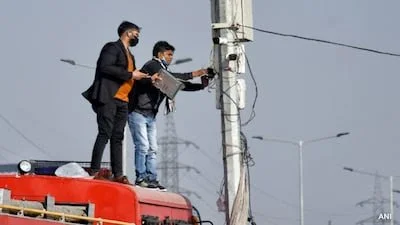
On April 1, Delhi Public Works Department Minister Parvesh Sahib Singh announced the phased removal and replacement of roughly 140,000 Chinese-manufactured CCTV cameras — the majority supplied by Hikvision and its rival Dahua (Zhejiang Dahua Technology). These devices, installed under the previous AAP government between 2020 and 2022, make up more than half of the city’s 274,000-camera network. They are now being ripped down and swapped for secure, India-compliant systems.
The timing is no coincidence. It is the direct, unmistakable after-effect of Khamenei’s decapitation.
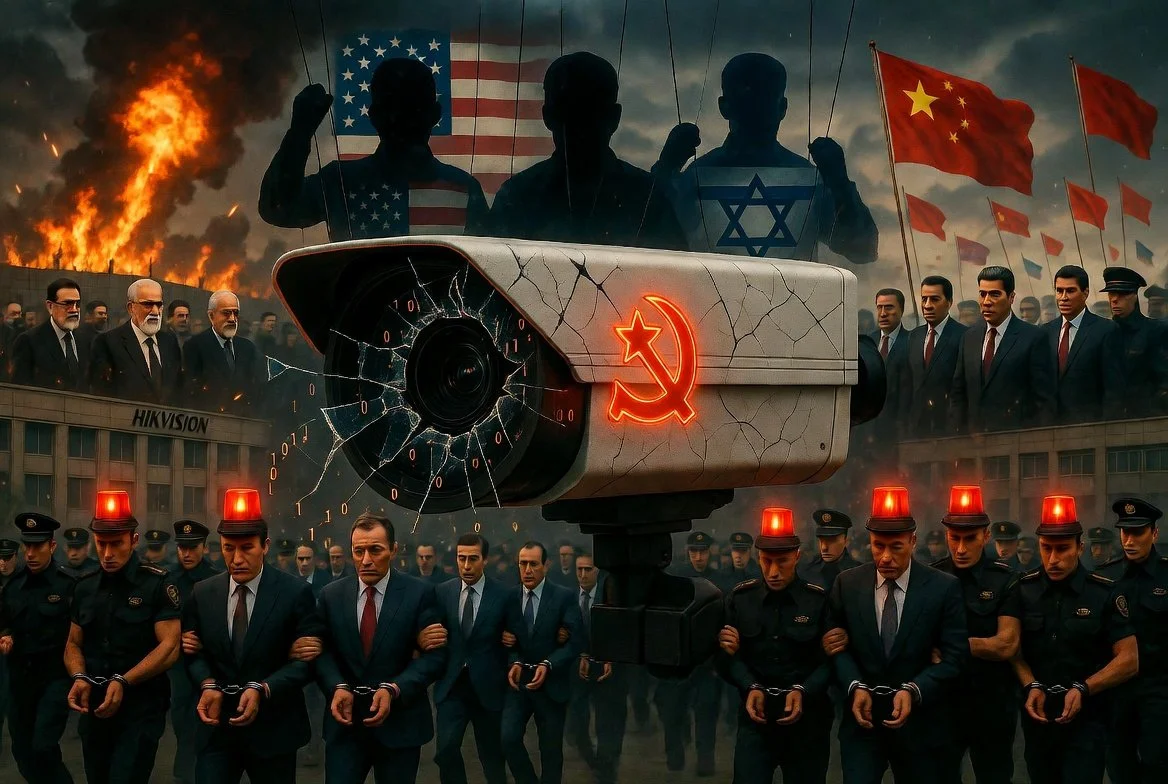
Reporting from the Financial Times, Associated Press, CNN, and Israeli intelligence sources confirms the grim reality: Israel had spent years quietly hacking into Tehran’s vast traffic and surveillance camera network. Those cameras, many of them Chinese Hikvision and Dahua models that Iran had enthusiastically deployed to control its own population, were turned into a deadly targeting tool. Real-time feeds, compromised years earlier, allowed Israeli and U.S. forces to track Khamenei’s bodyguards, map his movements, and confirm his exact location inside his Tehran compound on the morning of the strike. What was sold to the mullahs as “advanced Chinese security technology” became the very noose that tightened around the Supreme Leader’s neck.
This is not conspiracy theory. It is documented battlefield reality. China’s state-linked surveillance giants have built backdoors, weak encryption, and exploitable firmware into their global exports for years. When adversaries with real cyber muscle, in this case Israel and the United States, decide to flip the switch, the cameras that were supposed to protect the regime instead delivered its leader on a silver platter.
India has clearly taken the message to heart. Minister Singh did not mince words: handing over an entire city’s surveillance grid to foreign — especially Chinese — equipment is “a choice about national security.” The previous government, he said, simply never understood the danger. Delhi is now correcting that mistake in the clearest possible terms: first 50,000 cameras will come down immediately, the rest will follow. New systems will meet India’s stringent security standards, protect data sovereignty, and — most importantly — will not be pre-wired for betrayal by Beijing.
The truth here is as simple as it is brutal. Relying on Chinese “cheap” surveillance tech is not smart procurement; it is strategic suicide. Khamenei’s compound was supposedly one of the most guarded places on earth. Yet a network of Chinese cameras, hacked and weaponized, ended his reign in a single coordinated strike. Tehran’s rulers had been repeatedly warned their systems were compromised. They ignored it until the missiles arrived.
Delhi is refusing to make the same fatal error. By acting swiftly after the Khamenei precedent, India is sending a loud signal to Beijing and to every nation still asleep at the wheel: Chinese surveillance gear is not neutral infrastructure. It is a potential Trojan horse that can be turned against you the moment great-power conflict demands it.
This is not about “anti-China hysteria.” It is about cold, hard national survival in an age when cameras have become weapons of war. The blood of Iran’s Supreme Leader is still fresh on the pavement. Delhi has looked at that image and chosen to act. Every responsible government watching should do the same before more damage is done.
4/2/2026