「人們沒有勇氣顯示作品蘊含的真實靈性,神韻藝術家做到了,故我也因此感到萬分驚喜。」
All in Journalism 我的報導
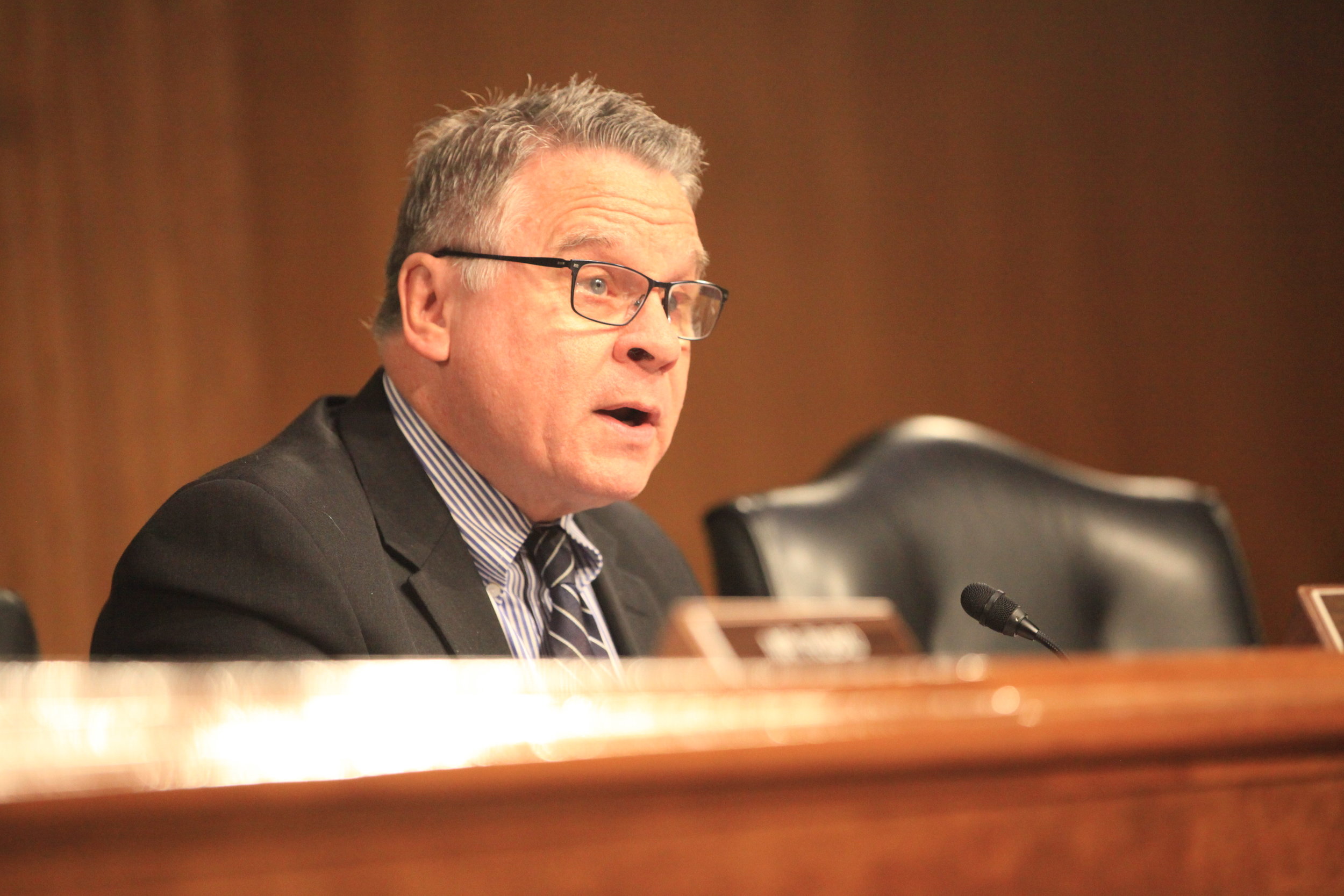
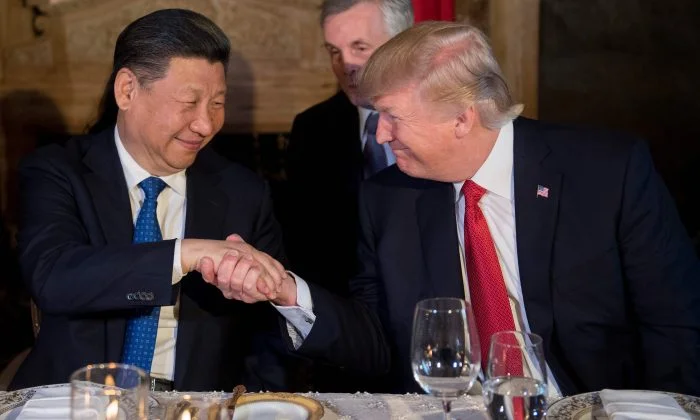
U.S. Rep. Christopher Smith (R-N.J.) is urging President Donald Trump to raise the issue of human rights directly during his meeting with Chinese leader Xi Jinping in Argentina on Nov. 30.
A global coalition of nearly 300 scholars from 26 countries has demanded Beijing abolish its mass internment camps in Xinjiang. The coalition calls for the international community to in various ways add more pressure on Beijing and to sanction Chinese leaders to cease “this act of unprecedented repression.”
With the intensifying rivalry between the United States and the People’s Republic of China, Southeast Asian countries can no longer sit on the fence, and have a tough choice to make. That choice should be made based on worldviews and principles, experts say.
After a sharp exchange of words between Vice President Mike Pence and Chinese leader Xi Jinping at the recent APEC summit, experts have doubts about what can be achieved at the upcoming G20 meeting between President Donald Trump and Xi, along with the trade war ending any time soon.
U.S. academia is having difficulty giving students and the public at large an honest picture of today’s China, according to experts.
The Chinese Communist Party (CCP)’s coordinated and long-term efforts to become a dominant global power have put at risk the national security and economic interests of the United States, its allies, and its partners, and U. S. policy makers have difficult decisions to make based on the new reality.
A resolution aimed at preventing organ transplant operations from becoming “a profitable tool in a cold genocide” was presented at an annual meeting of the American Medical Association in Washington on Nov. 11.
An expert said that the United States and its allies must use all available means to modify the attitudes and behavior of the Chinese Communist Party .
The United States may be as divided as it can be in many ways, but one thing unites it, and that is China, experts say. That unity has expressed itself in a foreign policy that won’t change much after the midterm elections.
A delayed top-level diplomatic and security dialogue between the United States and China will be held in Washington on Nov. 9, but experts doubt whether it will be productive.
According to Benedict Rogers, chair of trustees of Hong Kong Watch, UK, the “final straw” in the degradation of Hong Kong’s special status would be the passage of Article 23 of Hong Kong’s Basic Law.
Relations between the two countries have been changing rapidly and drastically. To help come to terms with the new situation, the Brookings Institution and Yale University staged a debate on Oct. 30.
After decades of a failed policy of “engaging China,” democracies around the world are facing the reverse situation.
As part of its global challenge to democratic freedom, the Chinese Communist Party (CCP) is making a systematic effort to spread propaganda and to suppress undesirable voices both inside and outside of China, a panel of journalists and experts said at a symposium staged by Freedom House.